
How to Manage Anxiety About Change When the Seasons Shift
When autumn leaves begin to fall and winter approaches, many individuals experience more than just a change in weather. Managing anxiety during seasonal transitions is a critical aspect of mental health that affects millions of people each year. As a leading therapist in Utah, Aspen Counseling Services understands how the shifting seasons can trigger anxiety symptoms that disrupt daily life, relationships, and overall wellbeing.
The connection between seasonal change and mental health is well-documented in scientific literature. Research indicates that approximately 38% of Americans experience declining mood during winter months, with significant behavioral and emotional changes occurring as daylight hours decrease (American Psychiatric Association, 2022). For individuals already managing anxiety, these seasonal shifts can intensify symptoms and create new challenges that require specific coping strategies and, in many cases, professional support through family counseling or individual therapy.
Understanding the Science Behind Seasonal Anxiety
Managing anxiety during seasonal transitions begins with understanding why these changes affect our mental health. The relationship between seasons and mood is rooted in complex biological mechanisms involving our circadian rhythms, neurotransmitter production, and hormonal regulation. When seasons shift, particularly during the transition from summer to fall and winter, our bodies experience significant adjustments that can trigger or worsen anxiety symptoms.
Research published in Translational Psychiatry demonstrates that circadian rhythm disruption affects multiple neurotransmitter systems, including serotonin and dopamine, which play crucial roles in anxiety regulation (Logan & McClung, 2019). Studies indicate that individuals with Seasonal Affective Disorder (SAD) have reduced levels of serotonin, a brain chemical essential for mood regulation (National Institute of Mental Health, 2024). Furthermore, the reduced sunlight exposure during winter months affects the production of vitamin D, which is involved in serotonin synthesis and overall mood stabilization.
Signs That Seasonal Anxiety May Be Affecting You
Recognizing the symptoms of seasonal anxiety is the first step toward seeking appropriate treatment from a qualified therapist in Utah or mental health professional. While everyone experiences some mood fluctuation with changing seasons, certain symptoms indicate that seasonal anxiety may require professional intervention. These symptoms often overlap with generalized anxiety disorder but occur specifically in response to seasonal transitions.
Common symptoms of seasonal anxiety include persistent worry or feelings of dread that intensify as seasons change, particularly during the transition to fall and winter. Many individuals report increased restlessness, irritability, and difficulty concentrating on work or daily activities. Sleep patterns frequently become disrupted, with some people experiencing insomnia while others struggle with hypersomnia—sleeping excessively yet still feeling fatigued (Munir et al., 2024).
Physical symptoms accompanying seasonal anxiety may include increased heart rate, muscle tension, headaches, and gastrointestinal distress. Cognitive symptoms manifest as racing thoughts, catastrophic thinking, difficulty making decisions, and excessive worry about future events. Behavioral changes include social withdrawal, avoidance of activities previously enjoyed, changes in appetite (often increased cravings for carbohydrates), and difficulty maintaining regular routines.
For individuals experiencing these symptoms, consulting with professionals offering family counseling or individual therapy services can provide valuable assessment and treatment planning. Aspen Counseling Services, recognized as the best counseling center in Utah for over ten years, specializes in helping clients navigate seasonal mental health challenges through evidence-based treatment approaches.
The Connection Between Mood, Anxiety, and Seasonal Change

Temperature changes and weather patterns also influence mood and anxiety levels. Cold weather often leads to reduced physical activity, less time spent outdoors in natural light, and increased social isolation are all factors that contribute to worsening anxiety symptoms. The anticipation of holiday stress, including financial pressures, family obligations, and social expectations, compounds these seasonal effects, particularly during the November through January period.
For Utah residents, the mountain state's unique climate presents specific challenges for managing anxiety during seasonal transitions. While the state enjoys abundant sunshine, winter temperatures drop significantly, snowfall limits outdoor activities, and air quality can deteriorate during winter inversions. Working with a therapist in Utah who understands these regional considerations can provide more targeted and effective treatment approaches.
Evidence-Based Strategies for Managing Anxiety Through Seasonal Changes
Managing anxiety effectively during seasonal transitions requires a multifaceted approach combining lifestyle modifications, self-care practices, and professional support when needed. Research-supported interventions focus on maintaining circadian rhythm stability, maximizing light exposure, sustaining physical activity, and preserving social connections despite seasonal challenges.
Light Exposure and Regulation
Maximizing natural light exposure during daylight hours represents one of the most effective interventions for managing anxiety during seasonal transitions. Studies demonstrate that spending 20-30 minutes outdoors during morning hours helps regulate circadian rhythms, improve mood, and reduce anxiety symptoms. For individuals unable to access adequate natural light, phototherapy using specialized light boxes (10,000 lux) for 20-30 minutes daily has shown significant efficacy in treating seasonal mood disorders (Rosenthal et al., 1984).
Physical Activity and Exercise
During winter months when outdoor activities become more challenging, finding creative ways to maintain exercise routines is essential. Options include indoor walking at malls or recreation centers, joining gym facilities, participating in winter sports like skiing or snowshoeing, or following online exercise programs at home. The key is consistency, aim for at least 30 minutes of moderate physical activity most days of the week. Even short 10-minute movement breaks throughout the day can help regulate mood and manage anxiety symptoms.
Routine and Structure
Maintaining consistent daily routines becomes particularly important during seasonal transitions. Research indicates that regular sleep schedules, meal times, and activity patterns help stabilize circadian rhythms and reduce anxiety symptoms (Monk et al., 1994). Establishing and adhering to a structured routine provides predictability and control, two factors that significantly influence anxiety levels.
Think Ahead: Proactive Planning for Seasonal Transitions
One of the most effective strategies for managing anxiety during seasonal changes involves anticipatory planning and preparing for predictable seasonal challenges before symptoms intensify. This proactive approach allows individuals to implement preventive measures, establish support systems, and develop coping strategies before anxiety becomes overwhelming.
Begin planning for winter-related anxiety in late summer or early fall, before the seasonal shift occurs. Create a comprehensive action plan that identifies potential triggers, outlines coping strategies, and establishes support resources. This plan should include concrete steps for maintaining light exposure, physical activity, social connections, and mental health care throughout the challenging winter months.
For individuals with a history of seasonal anxiety or mood disorders, discussing medication options with a healthcare provider may be appropriate. Some people benefit from starting antidepressant medication in early fall as a preventive measure, while others may use medication only during symptomatic periods. Aspen Counseling Services now offers medication management services, providing comprehensive care that addresses both psychological and pharmacological treatment approaches.
Ways to Stay on Track When the Seasons Change
Implementing practical strategies to maintain mental health during seasonal transitions requires intentionality and consistency. The following evidence-based approaches help individuals stay on track with managing anxiety as seasons shift, focusing on sustainable practices that integrate naturally into daily life.
Walk or Exercise Regularly

During winter months when cold weather makes outdoor walking less appealing, dress appropriately in layers, invest in quality winter footwear with good traction, and choose times of day when temperatures are most moderate. For days when weather conditions genuinely prohibit outdoor activity, maintain exercise consistency through indoor alternatives such as mall walking, treadmill use, or home exercise routines. The goal is establishing exercise as a non-negotiable daily practice rather than a weather-dependent activity.
Make Lists and Maintain Organization
For managing anxiety specifically, create a "coping strategy list" that outlines personalized techniques that have proven effective in the past. When anxiety intensifies, this pre-made list eliminates the need to problem-solve effective responses while in a heightened emotional state. Include items like contact information for your therapist in Utah, grounding techniques that work for you, supportive friends or family members to call, and calming activities that consistently help reduce anxiety.
Establish Environmental Supports
Create designated spaces for relaxation and stress management activities. A corner with comfortable seating, good lighting, and minimal distractions can serve as a meditation area, reading nook, or space for practicing anxiety management techniques. Having a physical space associated with calm and relaxation strengthens the effectiveness of stress reduction practices.
The Role of Professional Support in Managing Seasonal Anxiety
While self-care strategies and lifestyle modifications provide essential tools for managing anxiety during seasonal transitions, professional mental health support often plays a critical role in effective treatment. A qualified therapist in Utah can provide comprehensive assessment, evidence-based interventions, and ongoing support tailored to individual needs and circumstances.
The convenience of online therapy through Aspen Counseling Services removes barriers related to winter weather, transportation difficulties, or geographic distance. Teletherapy provides the same quality of care as in-person sessions while offering flexibility that can be particularly valuable during winter months when travel becomes more challenging.
Understanding the Utah Context for Seasonal Mental Health
Living in Utah presents unique considerations for managing anxiety during seasonal transitions. The state's high altitude, mountain climate, and significant seasonal variations create specific challenges that require tailored approaches to mental health care. Utah's position at a relatively high latitude (approximately 37-42 degrees north) places residents at moderate risk for seasonal mood disorders compared to other regions of the United States.
Utah also offers significant advantages for managing seasonal mental health challenges. The state generally experiences more sunny days annually compared to many other regions at similar latitudes. Even during winter, Utah frequently has clear, sunny days that provide opportunities for beneficial light exposure and outdoor activity. Taking advantage of these sunny winter days through outdoor recreation, even brief walks, or simply spending time near windows can significantly impact mood and anxiety levels.
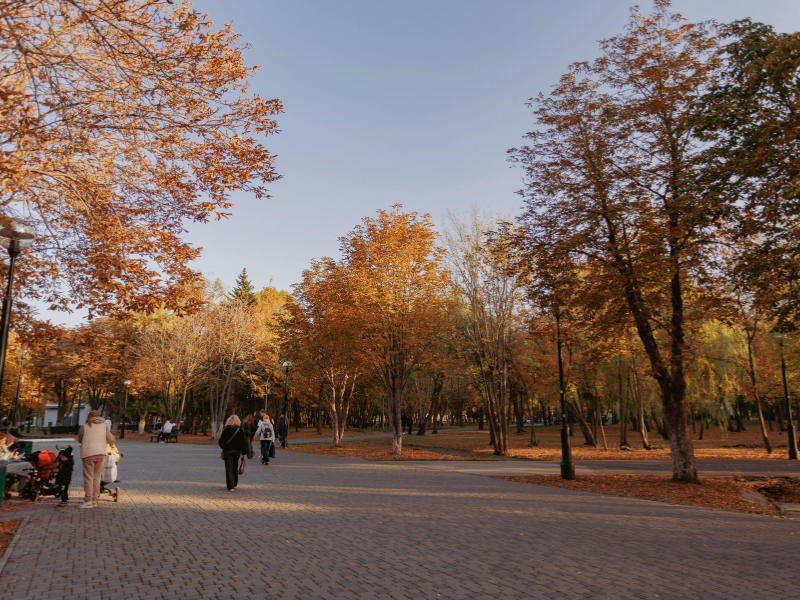
Alt Text: Walking paths surrounded with fall trees in orange and red.
The availability of quality mental health services throughout Utah, including award-winning facilities like Aspen Counseling Services with locations in Highland, Sandy, and Provo, ensures that residents have access to professional support for seasonal mental health challenges. Finding a therapist in Utah who understands the regional context of seasonal changes can enhance treatment effectiveness through culturally and environmentally informed care.
Creating Your Personalized Seasonal Anxiety Management Plan
Developing an individualized plan for managing anxiety during seasonal transitions represents a proactive approach that significantly improves outcomes. This plan should be created during a time of relative stability ideally late summer or early fall before seasonal symptoms typically begin and should incorporate strategies that align with personal preferences, lifestyle, and specific symptom patterns.
Begin by reviewing previous seasonal experiences to identify patterns in symptom onset, severity, and duration. Note which months or seasonal transitions prove most challenging, specific symptoms that typically emerge, and strategies that have been helpful (or unhelpful) in the past. This historical information provides valuable guidance for anticipating and preparing for upcoming seasonal challenges.
Establish concrete, measurable goals for managing anxiety through the seasonal transition. Examples might include: "Maintain regular exercise routine of 30 minutes daily throughout winter months," "Schedule and attend monthly therapy appointments from October through March," or "Practice mindfulness meditation for 15 minutes each morning." Specific, actionable goals are more likely to be achieved than vague intentions.
Consider working with a professional from Aspen Counseling Services to develop your personalized management plan. Their expertise in treating seasonal mood disorders and anxiety can help identify blind spots, suggest additional evidence-based strategies, and provide accountability for implementing and maintaining your plan throughout challenging winter months.
Frequently Asked Questions
Q: When should I start implementing strategies for managing seasonal anxiety?
A: Begin proactive management strategies in late summer or early fall, before symptom onset occurs. Early intervention proves particularly important for individuals with moderate to severe seasonal patterns. Consulting with a therapist in Utah during early fall allows time for comprehensive assessment, treatment planning, and skills development before the most challenging winter months arrive.
Q: How do I know if my seasonal anxiety requires professional treatment versus self-care strategies?
A: Several indicators suggest that professional treatment from a qualified therapist in Utah would be beneficial. Seek professional help if seasonal anxiety symptoms persist for more than two weeks, interfere significantly with work or school performance, damage important relationships, include thoughts of self-harm or suicide, or cause you to avoid activities and situations that were previously manageable.
Q: Can family counseling help with seasonal anxiety, or is individual therapy more effective?
A: Both family counseling and individual therapy can effectively address seasonal anxiety, depending on your specific circumstances and treatment goals. Individual therapy provides focused attention on your personal experiences, thought patterns, and coping strategies. This format works well for developing personalized anxiety management skills, processing emotional responses to seasonal changes, and addressing individual symptom patterns. Cognitive-behavioral therapy for seasonal patterns (CBT-SAD) is typically delivered in individual format and has strong research support for treating seasonal mood disorders.
Q: What specific symptoms indicate my seasonal anxiety might be Seasonal Affective Disorder requiring specialized treatment?
A: Seasonal Affective Disorder (SAD) represents a specific subtype of major depressive disorder characterized by recurrent depressive episodes with seasonal patterns. While managing anxiety during seasonal transitions affects many people mildly, SAD involves more severe symptoms that significantly impair functioning. For a diagnosis of SAD, these symptoms must occur during specific seasons (typically fall/winter) for at least two consecutive years, with symptom remission during other seasons, and the seasonal pattern must not be better explained by seasonal psychosocial stressors (like regular winter unemployment). Additionally, seasonal depressive episodes must outnumber non-seasonal episodes throughout the person's lifetime.
Take the Next Step: Sign Up for a Consultation
Managing anxiety about change when the seasons shift is a challenge many Utah residents face each year. While the strategies outlined in this article provide evidence-based approaches for addressing seasonal anxiety, professional support often makes the crucial difference between merely surviving winter months and truly thriving despite seasonal challenges.
Aspen Counseling Services, recognized as Utah's best counseling center for over ten consecutive years, offers comprehensive mental health services specifically designed to help individuals and families manage seasonal anxiety and mood disorders. Their award-winning team of licensed therapists brings extensive expertise in treating anxiety disorders, seasonal affective disorder, and related conditions through evidence-based modalities including cognitive-behavioral therapy, EMDR, DBT, and solution-focused approaches.

Don't wait until seasonal anxiety becomes overwhelming. Visit Aspen Counseling Services online to learn more about their therapeutic services, meet their experienced team of therapists, and schedule your initial consultation. You can also call their office directly to speak with their friendly staff about scheduling, insurance coverage, and how they can best support your mental health journey through seasonal transitions and beyond.
Remember, seeking help is a courageous step toward better mental health. You deserve support in managing seasonal anxiety, and effective treatment is available. Take the first step today by connecting with Utah's trusted leader in mental health counseling Aspen Counseling Services.
