
How to Deal with Loss and Loneliness During The Holidays

The holiday season arrives each year with twinkling lights, festive music, and an expectation of joy. But when you're experiencing grief during the holidays, those cheerful traditions can feel like painful reminders of what you've lost.
If you're facing the holidays after losing someone you love, ending a significant relationship, or navigating a major life transition, you know this time of year doesn't feel wonderful. Empty chairs at the dinner table become more noticeable. Familiar traditions lose their comfort. The cultural pressure to be merry can make your grief feel even more isolating.
You're not alone in this experience. At Aspen Counseling Services, we've supported countless individuals and families through the unique challenges of coping with loss and loneliness during the holidays. We understand that grief doesn't pause for the calendar, and learning how to deal with holiday loneliness is a process we're here to help you navigate.
Why Grief During the Holidays Feels Different
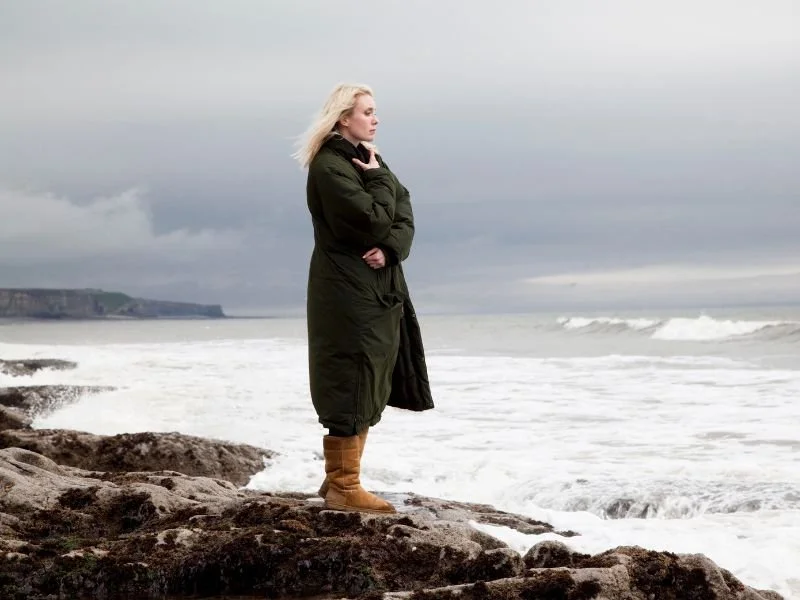
The holiday season has a way of amplifying loss. Several factors make this time particularly intense.
Traditions highlight absence. Every holiday tradition carries memories. When someone significant is missing, those traditions become painful reminders. Whether it's baking your grandmother's recipe or attending a holiday gathering, these rituals can trigger waves of grief.
Social expectations create pressure. Our culture sends powerful messages about how the holidays should look and feel. When your internal experience doesn't match those expectations, it can create a sense of failure or isolation. This disconnect can worsen both holiday stress and the feeling that something is wrong with you.
Anniversary reactions. Mental health professionals recognize that significant dates, including holidays, can trigger "anniversary reactions," intense emotional and sometimes physical responses tied to memories and loss. The first holiday without someone is often especially difficult, and these reactions can continue for years.

Understanding Holiday Loneliness
Loneliness during the holidays isn't always about being physically alone. You can feel profoundly lonely while surrounded by people, especially when others don't understand the depth of your grief. This social isolation can occur even at a crowded holiday gathering when you feel disconnected from the joy around you.
Research from the National Alliance on Mental Illness shows that the extra stress, unrealistic expectations, and sentimental memories that accompany the holiday season contribute to increased loneliness and mental health challenges. For some, these feelings may be compounded by seasonal affective disorder, which can intensify both grief and loneliness during darker winter months. Understanding how to deal with holiday loneliness starts with recognizing that these feelings are a normal response to loss.
How to Deal with Holiday Loneliness: Practical Strategies

While there's no way to eliminate the pain of loss, meaningful strategies can help you navigate grief during the holidays with more gentleness toward yourself.
Give Yourself Permission to Grieve
The most important thing you can do is give yourself full permission to feel whatever comes up. Your grief is valid, even during the holidays. Even on Christmas morning. Even when others are celebrating.
If you need to cry, cry. If you feel angry, acknowledge that anger. And if you experience moments of genuine happiness, know that joy doesn't betray the memory of what you've lost. Grief and gratitude can coexist.
Rethink Holiday Traditions
Traditions are meant to bring comfort, but when you're dealing with holiday grief, old traditions can become sources of pain. You have every right to change, skip, or create new traditions that honor both your grief and your healing process.
Maybe this year means declining certain invitations or creating a new ritual to remember your loved one: lighting a candle in their memory, visiting a meaningful place, or making a donation in their name. There's no right answer, only what feels manageable for you right now.
Set Clear Boundaries
Well-meaning friends and a family member or two may not understand what you need during this difficult time. Some might encourage you to participate in activities "to take your mind off things," while others might avoid mentioning your loss entirely.
Communicate clearly about your boundaries. Let people know if you need space, if you'd prefer not to discuss certain topics, or if you actually want to talk about your loved one. Setting these boundaries isn't selfish. It's essential self-care that protects your mental health during an already challenging holiday season.
According to the American Psychological Association, not talking about grief can lead to isolation and disconnect you from people who want to support you. Finding the right balance between honoring your needs and accepting support is part of learning how to deal with holiday loneliness effectively.
Find Meaningful Social Connection
How to deal with holiday loneliness often comes down to finding the right kind of social interaction for you. Connection doesn't have to mean attending every holiday party or forcing yourself into overwhelming situations.
Meaningful connection might look like coffee with one trusted friend who understands your grief or a phone call with someone who doesn't expect you to be "over it." For many people, grief support groups provide an invaluable community with others who truly understand what you're experiencing.
If you're struggling with holiday loneliness, consider reaching out even when it feels hard. Social isolation can deepen grief, while connection (even in small doses) can provide moments of relief.
Take Care of Your Physical Needs
Grief affects your body as well as your mind. During the holiday season, when holiday stress is already high, attending to basic physical needs becomes especially important.
This doesn't require perfection. It simply means paying attention to sleep, nutrition, and movement when possible. A short walk outside can provide brief respite from intense emotions. Regular meals support your overall mental health. Adequate rest helps you cope with waves of grief that may come unexpectedly.
Consider Professional Support
If your grief feels unmanageable, if you're struggling to function in daily life, or if the holidays are triggering thoughts of self-harm, please reach out for professional help. Therapy isn't just for crisis moments. It's a valuable resource for anyone navigating significant loss.

At Aspen Counseling Services, our therapists understand the unique challenges of grief during the holidays and can help you develop strategies for how to deal with holiday loneliness. We provide a safe space where you can process your feelings and develop personalized coping strategies. With offices in Sandy, Highland, and Provo, plus convenient online therapy options available statewide, accessing support is easier than you might think.
When Grief and Gratitude Coexist

As you move through the holidays while grieving, you might encounter people who try to find silver linings or remind you of reasons to be grateful. While gratitude practices can be helpful, they shouldn't minimize your very real pain.
It's possible to hold space for both grief and gratitude, for both loss and hope. You can miss someone deeply while also appreciating the people still in your life. This isn't about forcing positivity. It's about acknowledging the full complexity of human emotion during the holiday season.
Moving Through Grief (Not Moving On)
There's a common misconception that the goal of working through grief is to "move on" from your loss. The reality is that significant losses change us. They become part of our story, woven into who we are.
The goal isn't to forget or to stop missing what you've lost. The goal is to learn how to carry your grief in a way that allows you to continue living a meaningful life. Over time, the intensity of holiday grief typically softens, though it may never disappear completely.
You Don't Have to Face the Holidays Alone

Coping with loss and loneliness during the holidays requires tremendous courage. If you're struggling with grief this holiday season, know that support is available.
At Aspen Counseling Services, we've been voted Utah's "Best Counseling Center" for over ten years because we genuinely care about helping people heal. Our therapists understand that grief is complex, personal, and worthy of professional support.
Whether you're facing your first holiday season after a loss or navigating grief that's been with you for years, our team is here to help. We thoughtfully match you with a therapist who understands your unique needs, with options for both in-person sessions and online therapy to fit your life.
The holiday season doesn't have to be faced alone. Reach out today to schedule a session and take the first step toward support that fits your life.
If you're experiencing thoughts of self-harm or suicide, please call the 988 Suicide & Crisis Lifeline or go to your nearest emergency room. Help is available, and you deserve support.
Frequently Asked Questions
Why does grief feel worse during the holidays?
The holidays naturally amplify grief through traditions, memories, and the noticeable absence of loved ones. Mental health professionals call these "anniversary reactions," intense emotional responses tied to significant dates. The cultural expectation to be joyful can also make your grief feel more isolating, creating additional holiday stress.
How do I survive the holidays after losing someone?
Start by giving yourself permission to grieve however feels right for you. You don't have to attend every gathering or maintain every tradition. Set clear boundaries with family and friends about what you can handle. Consider creating new rituals to honor your loved one, and reach out for support when you need it, whether that's a trusted friend or a professional therapist.
Is it okay to skip Christmas after a death?
Yes, absolutely. If participating in Christmas traditions feels too painful right now, it's completely valid to step back. Some people choose to travel somewhere new, volunteer, or simply treat it as a quiet day at home. What matters most is honoring what you need during this difficult time.
How long does holiday grief last?
Grief doesn't follow a predictable timeline, and holiday grief can resurface for years after a loss. The first year is often the hardest, but certain triggers can bring waves of grief even years later. This is normal. Grief isn't something you "get over," but rather something you learn to carry differently.
What helps with loneliness during the holidays?
Learning how to deal with holiday loneliness starts with meaningful connection rather than forced cheerfulness. Reach out to people who understand your grief. Consider joining a grief support group where others share similar experiences. Even small connections matter: a text to a friend or a phone call with someone who lets you be honest. If you're feeling isolated, therapy can provide a safe space to process these feelings.
When should I see a therapist for grief?

Consider reaching out if your grief feels overwhelming, if you're having trouble functioning in daily life, or if you're experiencing thoughts of self-harm. But you don't have to wait for a crisis. Therapy can help even if you're simply struggling to navigate the holidays and need tools for how to deal with holiday loneliness. At Aspen Counseling Services, we work with many people dealing with loss during difficult seasons like the holidays.
