
Deck the Halls, Not Each Other: A Guide to Less-Stress Family Time
Anxiety and Depression Treatment Utah | Aspen Counseling Services

Why Holiday Family Time Gets Messy
Ah, the holidays! That magical time of year when loved ones gather to share meals, memories, and, occasionally, conflict. The truth is, while holiday cards show perfectly harmonious family celebrations, real-life gatherings can be complicated, messy, and sometimes downright stressful. This is especially true for those already dealing with anxiety and depression in Utah.
This comprehensive guide, presented by Aspen Counseling Services, is not about creating perfect, Hallmark-worthy moments, it is about helping readers navigate family member dynamics with their sanity intact, setting realistic expectations, and finding genuine joy in these gatherings. Managing family stress during the holiday season is absolutely possible with the right tools and mindset. The goal is simple: to help members of the entire family deck the halls without decking each other.

Contact Aspen Counseling Services Today for Personalized Support
The Psychological Roots of Family Holiday Stress: Signs of Depression
The phenomenon of otherwise well-adjusted adults regressing to old behavior within minutes of walking into their childhood home is common. Family gatherings activate a person's oldest, most ingrained relationship patterns, the "time machine effect." Suddenly, a successful professional might feel like a helpless child again, triggering signs of depression or increased anxiety.
Family tension during holidays often stems from several psychological factors:
Role Regression and Attachment: Family roles (the "responsible one," the "troublemaker") can feel confining. Stress can trigger primary attachment styles, causing adults to revert to childhood coping mechanisms.
Unresolved Emotional Business: Holidays concentrate unaddressed conflicts and resentments that have simmered beneath the surface throughout the year.
Heightened Expectations: The cultural pressure for a "perfect" holiday creates impossible standards, leading to disappointment and distress.
Disrupted Routines: Changes to sleep and eating patterns affect emotional regulation.
Grief Triggers: The holiday season highlights grievance and missing loved ones.
Cognitive Behavioral Therapy and Systems Theory
The clinical team at Aspen Counseling Services often use frameworks like Cognitive Behavioral Therapy (CBT) and Family Systems Theory to explain this experience. CBT helps individuals identify and challenge the thought patterns that lead to holiday distress. Systems Theory reminds us that the entire family is an emotional unit; attempts to set healthy boundaries are good, but the system may resist this change, increasing everyone's stress level.
Understanding these factors is the first step toward responding differently. Effective anxiety and depression treatment in Utah often begins with recognizing personal triggers and patterns.
Setting Boundaries Without Starting World War III: Coping Strategies
Setting boundaries is essential for maintaining a healthy stress level, yet it can feel like the most challenging holiday action. The team at Aspen Counseling Services emphasizes that boundaries are not walls; they are guidelines defining what is acceptable to you. This is one of the most vital coping strategies available.
The Art of Boundary-Setting:
Start Small and Specific: Set one concrete boundary: "Attendance at this holiday party is limited to two hours to manage my stress level."
Use "I" Statements: Express your feelings without attacking. Instead of, "You always make us go to every holiday party and activity" try, "I feel stressed and overwhelmed when I attend everything thrown at us." “Let’s pick two or three parties in the month of December.”
Offer Alternatives: When limiting attendance, offer a replacement: "I won't be able to host this year, but I'd love to bring my homemade gingersnaps to your place."
Prepare for Resistance: Expect family relatives to push back; this is normal system adjustment.
Pre-plan with Allies: Have friends or a partner on standby to help manage difficult family members.
This action of setting boundaries is crucial for anyone dealing with anxiety and/or depression treatment during the holiday season.
Mindfulness and Communication: Your Secret Weapon
To combat the chaos and maintain your priority of mental health, this guide recommends two key tools: mindfulness and effective communication.
Mindfulness for Stress Relief
Mindfulness is the practice of bringing attention to the present moment without judgment. When stress rises, the Sympathetic Nervous System (fight or flight) is triggered. Mindful breathing sends a calm-down signal via the Vagus Nerve to the brain, providing space to choose a response.
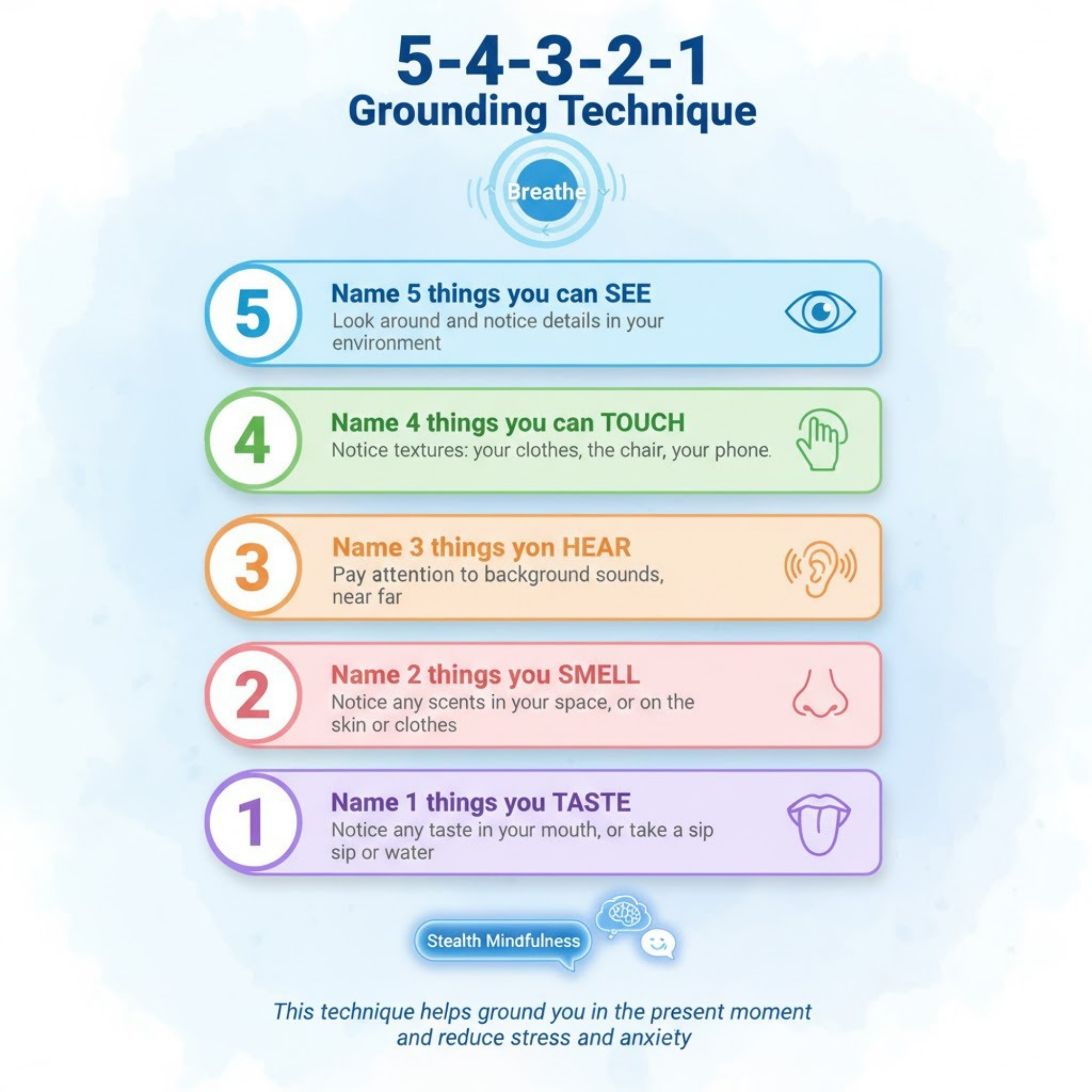
Stealth Mindfulness: Use the 5-4-3-2-1 technique or simply take three deliberate breaths while listening to a long-winded story about politics. This subtle action helps maintain a lower stress level.
Communication Strategies That Actually Work
Aspen Counseling Services recommends the DEAR method for navigating tricky conversations with relatives and family members:
D - Describe the situation objectively.
E - Express your feelings using "I" statements.
A - Assert what you need clearly.
R - Reinforce the benefits for everyone.
The Art of the Redirect: When politics or other sensitive subjects arise, keep a mental list of neutral topics like games or activities to redirect the conversation before distress escalates.
Dodging Landmines and Self-Care: Maintaining Your Priority
A successful holiday season navigation requires both skillful external maneuvers (dodging politics) and internal care (self-care).
Handling Political Landmines and Difficult Relatives
The most effective strategy to deal with difficult relatives and subjects like politics is prevention. Suggest a politics-free zone or propose a designated discussion time after dinner when non-participating family members can leave for other activities. When the topic arises, use a polite redirection: "That’s an interesting political take. On a completely different note, I’ve been meaning to ask you about your sourdough making hobby!"
Self-Care Isn't Selfish: You’re Priority
Self-care must be a priority during family visits. It is the only way to reduce the Allostatic Load (the wear and tear from chronic stress) and build resilience.
Self-Care Practices:
Morning Ritual: Wake up 15 minutes early for quiet time at home.
Strategic Breaks: Plan short breaks for alone time, a walk or a trip to the local lunch spot.
Digital Boundaries: Use hours for a social media break to avoid comparison of other peoples’ holiday activities.
This intentional care and scheduling of self-care activities is the most effective approach for those seeking an anxiety or depression therapist for the holiday season.
Contact Aspen Counseling Services Today for Personalized Support
Expert Guidance from Aspen Counseling Services
Q: What if a boundary cannot be set without the family member getting angry?
A: You are only responsible for communicating the boundary, not for the other person's reaction. Anger often means the boundary is challenging a deeply ingrained expectation. Use the Broken Record Technique (repeat the boundary calmly) and keep the delivery neutral.
Q: Is it okay to skip a holiday entirely?
A: Absolutely. You have the right to decline any invitation that compromises your physical or mental health. If taking a year off or limiting your visit to a few hours preserves sanity, it is a healthy, self-compassionate choice.
Q: How to handle unsolicited advice about life?
A: Redirect, redirect, redirect! Acknowledge the comment briefly, validate the person (if possible), and pivot quickly. Try: "I appreciate your concern, and I’m comfortable with the decision I’ve made. On a happier note, tell me about your new job!"
Q: What is the single most important thing to do to prepare?
A: Manage Expectations. Let go of the fantasy of the "perfect" holiday. Expect that there will be conflict and awkward comments. Preparation is about controlling one's responses, not controlling the outcome.
