
Cold Weather, Warm Heart: Evidence-Based Ways to Boost Mood During Dark Months
A Woman's Guide to Thriving Through the Dark Months

When the Days Get Shorter, Our Spirits Often Do Too
Cold weather brings unique challenges to our mental health. As days shorten and autumn fades into winter's muted palette, many of us notice a shift in our energy levels, motivation, and emotional well-being. We call this the "winter blues" a sense of sluggishness, low spirits, and a desire to hibernate.
For many women, this seasonal change runs deeper. It may signal Seasonal Affective Disorder (SAD), a clinically recognized mood disorder tied to reduced sunlight exposure during the darker months. You might feel guilty for lacking summer's energy or frustrated by persistent low energy. Let's acknowledge from the start: this is a common, physiological response, not a personal failing. Recognizing these symptoms is the first step toward healing.
Why This Matters for Women
Women are four times more likely to be diagnosed with seasonal affective disorder (SAD) than men. Hormonal influences play a critical role: estrogen and progesterone fluctuations directly impact serotonin levels, the brain's mood-regulating chemical. When coupled with seasonal decreases in light, these factors create unique vulnerability. Furthermore, caregiving roles often make symptoms of fatigue and low mood doubly burdensome. Understanding this vulnerability is the first step toward building emotional resilience.
The good news? We don't have to simply endure the colder months. This blog offers practical, evidence-based strategies from harnessing light's power to optimizing nutrition and movement that help you reclaim your energy and cultivate inner warmth during the winter season.
Understanding Seasonal Mood Changes
The Winter Blues vs. Seasonal Affective Disorder (SAD)
Winter blues involve mild symptoms that don't significantly impair daily functioning, feeling somewhat low, experiencing mild changes in sleep quality, and slight social withdrawal during the darker months.
Seasonal affective disorder (SAD) is a clinical subtype of major depressive disorder with a seasonal pattern. SAD symptoms include persistent low mood, loss of interest in activities, increased appetite and cravings for comfort food, sleep disturbances (typically oversleeping), fatigue and low energy, difficulty concentrating, and in severe cases, thoughts of self-harm during a depressive episode.
Research indicates that approximately 5% of the U.S. adult population experiences seasonal affective disorder (SAD), with another 10-20% experiencing milder winter blues.
What Happens Inside Your Body
Decreased sunlight is the primary driver of winter SAD. Your body operates on a 24-hour circadian rhythm regulated by light exposure. Reduced daylight hours trigger melatonin overproduction (disrupting your sleep cycle and causing grogginess) and serotonin deficiency (contributing to low mood, carb cravings, and depression).
Vitamin D synthesis becomes severely limited during colder weather. Low Vitamin D correlates strongly with winter mood issues, impacting brain inflammation, serotonin production, and even heart health making it critical for winter wellness.
Light Therapy: Your First-Line Defense
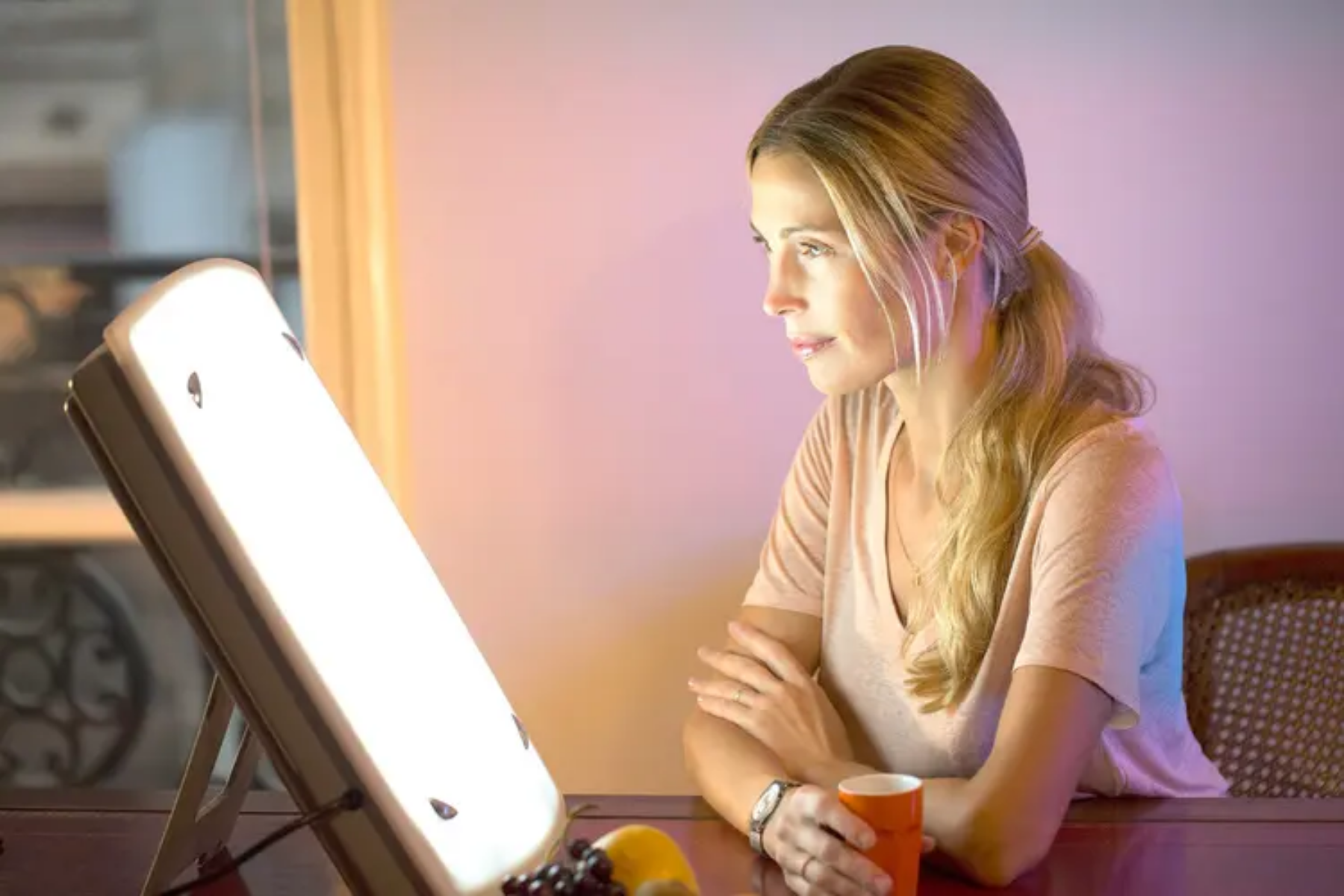
Light therapy has robust scientific support for seasonal affective disorder (SAD). Research shows 50-80% of patients experience significant improvement with proper use.
How to Use Light Therapy:
Timing: Within 30-60 minutes of waking crucial for resetting circadian rhythm and establishing a healthy sleep schedule
Duration: 20-30 minutes daily
Intensity: 10,000 lux at 16-24 inches from your face
Device: UV-filtered light boxes specifically designed for SAD treatment
Dr. Michael Terman of Columbia University advises that timing is crucial, using light therapy too late can disrupt your sleep pattern.
Nutrition & Movement for Mood
Essential Nutritional Strategies
Vitamin D Supplementation
Vitamin D plays a vital role in serotonin production and has anti-inflammatory effects linked to depression. For most women during the colder months:
Maintenance: 1,000-2,000 IU daily
Therapeutic: 2,000-4,000 IU daily for documented deficiency
Take Vitamin D3 with meals containing fat for better absorption. Consult your doctor for blood testing.
The Gut-Brain Connection
Gut bacteria produce approximately 90% of the body's serotonin. Support this through prebiotic foods (oats, onions, garlic), fermented foods (yogurt, kefir, sauerkraut), and staying hydrated.
Serotonin-Boosting Foods
Combat seasonal changes with tryptophan-rich foods (turkey, eggs, nuts, seeds), complex carbohydrates (oats, quinoa, sweet potatoes, healthier alternatives to comfort food cravings), and Omega-3 fatty acids (fatty fish, walnuts, flaxseeds). Research shows Omega-3 supplementation significantly reduces depressive symptoms.
Exercise as an Antidepressant
Thirty minutes of moderate-intensity exercise most days can be as effective as light therapy for mild-to-moderate seasonal affective disorder (SAD). Exercise combats depression symptoms through endorphin release, increased BDNF, circadian rhythm regulation, and stress hormone reduction. Consistency matters more than intensity; even 10-minute bursts trigger mood-boosting endorphins and improve energy levels.
Winter Exercise Options:
Indoor: Home circuit training, online yoga/HIIT classes, active video games
Outdoor: Despite colder weather, outdoor activity provides crucial sunlight exposure winter walking, snowshoeing, or cross-country skiing
Psychological Approaches to Winter Well-being

Mindfulness and Meditation
Winter mindfulness practices combat seasonal mood changes and winter depression by reducing rumination. Research found Mindfulness-Based Cognitive Therapy was as effective as light therapy in preventing seasonal affective disorder (SAD) recurrence.
Try morning meditation (10-20 minutes upon waking), light-focused meditation (combining light therapy with mindfulness), or the "Snow Globe" practice (3-5 minute visualization for winter stress).
Cognitive-Behavioral Therapy (CBT) for SAD
CBT is one of the most effective forms of support for depression, including seasonal affective disorder (SAD). Dr. Kelly Rohan developed CBT-SAD specifically for preventing recurrence and addressing severe symptoms. It works by identifying winter-specific thought patterns and using behavioral activation scheduling rewarding activities to break cycles of social withdrawal.
Gratitude Practices
Consistently noting gratitude (cozy comforts, winter light) rewires the brain toward positive thinking. Research shows gratitude interventions significantly improve depressive symptoms and build emotional resilience.
Creating Your Winter Wellness Toolkit
Maximize Natural Light at Home
Open curtains fully during daylight to maximize sunlight exposure, position mirrors to reflect light deeper into rooms, and arrange furniture near windows during the winter season.
Create Cozy, Supportive Spaces
Embrace Hygge through warm ambient lighting (lamps, candles), soft textures (blankets, rugs), and natural elements (plants). Multi-sensory comfort reduces stress and supports mental health.
Maintain Social Connections
Social isolation intensifies during winter months, yet connection protects against seasonal depression and low mood. Create consistent social anchors weekly virtual coffee dates, game nights, or community volunteering.
Plan Activities to Anticipate
Anticipation creates "anticipatory joy" that sustains mood during the challenging winter season. Schedule positive events throughout winter, especially during difficult periods (January/February).
When to Seek Professional Mental Health Support
Seek Help If You Experience:
Missing work/school due to persistent fatigue
Severe insomnia or chronic oversleeping disrupting your sleep pattern
Thoughts of self-harm (reach out immediately to crisis services)
Sustained inability to feel pleasure
Symptoms lasting beyond winter or following atypical seasonal variation
Professional Treatment Options
Cognitive Behavioral Therapy (CBT) helps identify and challenge negative thought patterns while encouraging activity scheduling. Look for therapists familiar with women's health, hormonal fluctuations, and seasonal depression.
Medication: For moderate-to-severe seasonal affective disorder (SAD), antidepressant medication (typically SSRIs) may be recommended, usually starting in late fall. Discuss with a psychiatrist or medical doctor.
Your Personalized Winter Well-being Plan
Winter mood strategies work best when tailored to individual needs. The darker months present unique challenges for women, but also offer opportunities for self-discovery and growth.
Key Principles:
Multimodal Approach: Combine biological (light/nutrition), psychological (CBT/mindfulness), social, and environmental strategies
Consistency Over Intensity: Regular, moderate interventions prove more effective
Preventative Orientation: Begin practices 2-4 weeks before typical symptom onset in late fall
Self-Compassion: Recognize seasonal struggles reflect biology, not personal failure
The winter season offers unique opportunities for deep reflection, creativity, appreciation for subtle beauty, and enhanced emotional resilience. By approaching winter with knowledge and self-compassion, you can discover how to find meaning, connection, and joy. You have the ability to cultivate your own warmth from within.
Frequently Asked Questions
Q: What exactly are the "winter blues" and how are they different from SAD?
Winter blues are temporary low moods and fatigue during winter. Seasonal Affective Disorder (SAD) is a clinical diagnosis with recurrent major depression following a seasonal pattern, causing significant functional impairment. SAD requires professional support while the blues are often managed with lifestyle adjustments.
Q: Why do women seem more affected by winter mood changes than men?
Women are four times more likely to experience seasonal affective disorder (SAD) due to hormonal influences estrogen plays a critical role in serotonin regulation, making the system more vulnerable to seasonal changes during the winter months and colder weather.
Q: How much Vitamin D should I take in winter to boost my mood?
Many experts suggest 1,000–2,000 IU daily during the darker months of winter. Consult with a doctor for a blood test to determine the optimal dose for your needs.
Q: Is light therapy effective for seasonal depression?
Yes, light therapy is a first-line, evidence-based approach for seasonal affective disorder. Look for a light box providing 10,000 lux of intensity and explicitly labeled as UV-filtered for treating SAD symptoms.
Q: Can certain foods really help improve my mood during the darker months?
Absolutely. Foods rich in Omega-3 fatty acids (fish, nuts) reduce brain inflammation, and foods with Tryptophan (turkey, eggs, nuts) serve as precursors for serotonin, helping boost mood during winter and combat depressive symptoms.
Q: When should I consider seeking professional help for my winter mood changes?
Seek professional mental health support if your symptoms last longer than two weeks, impact your ability to function, or if you experience thoughts of self-harm. Therapy, especially CBT for seasonal affective disorder (SAD), provides essential coping strategies.
Q: How can I maintain a consistent exercise routine when it's cold and dark outside?
Focus on indoor activities you enjoy yoga, dancing, or home resistance training. Schedule movement like an appointment. Even 10 minutes triggers mood-boosting endorphins and improves energy levels during the darker days.
Q: How can I make my home feel cozier and supportive of my mental well-being in winter?
Use warm, ambient lighting (lamps, candles), introduce soft textures (blankets, rugs), and bring in natural elements (plants). Maximize sunlight exposure by opening curtains and positioning furniture near windows during the winter season.
Resources and References
Key Organizations:
American Psychiatric Association
American Psychological Association
National Institute of Mental Health
Clinical Research:
Lam, R. W. & Levitt, A. J. (2018). Clinical guidelines for the treatment of seasonal affective disorder. Canadian Journal of Psychiatry, 63(3), 189-198.
Magnusson, A. & Partonen, T. (2016). The epidemiology of seasonal affective disorder. The Lancet, 360(9346), 1642-1647.
Rohan, K. J., et al. (2015). Cognitive-Behavioral Therapy for Seasonal Affective Disorder vs. Light Therapy. American Journal of Psychiatry, 172(9), 870-878.
Additional Resources:
Center for Light Treatment and Biological Rhythms at Columbia University
Mental Health America - Seasonal Depression Resources
If you're struggling with seasonal mood changes and would like personalized support, the compassionate therapists at Aspen Counseling Services are here to help. We offer specialized women's mental health services and evidence-based approaches to seasonal depression. Visit aspencounselingservices.com to learn more or schedule a consultation.
